Elevator Injury Lawyer: When tragedy strikes within the confines of an elevator, understanding your legal rights is paramount. Our comprehensive guide empowers you with the knowledge to navigate the complexities of elevator accident claims, ensuring you receive the justice and compensation you deserve.
Delving into the causes of elevator accidents, we uncover the intricate web of factors that can lead to catastrophic injuries. From mechanical failures to human error, we shed light on the underlying issues that can compromise elevator safety.
Types of Elevator Injuries
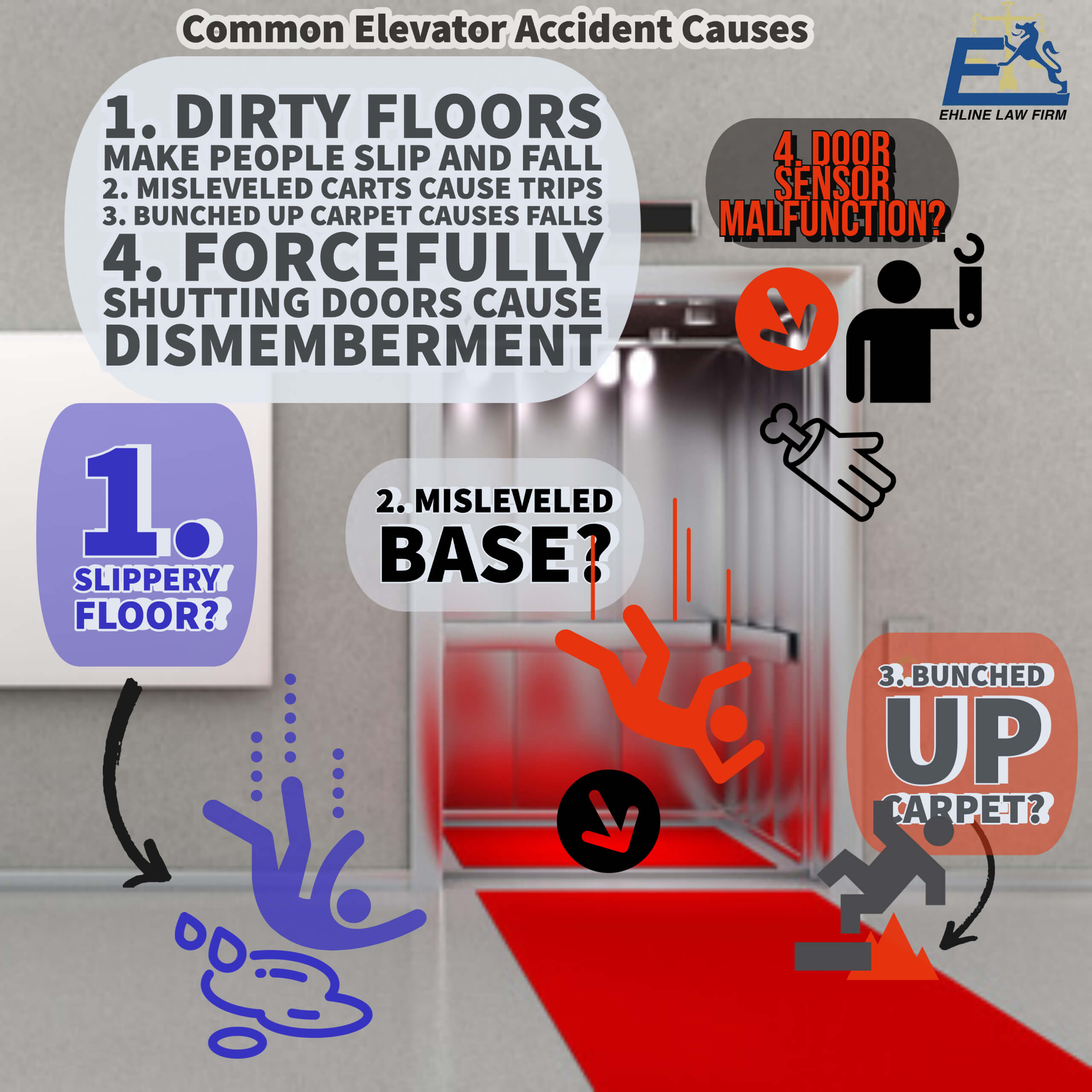
Elevator injuries can range from minor bumps and bruises to severe, life-threatening incidents. The type and severity of the injury depend on several factors, including the speed and force of the impact, the position of the victim, and the presence of any underlying medical conditions.
Some of the most common types of elevator injuries include:
Traumatic Brain Injuries
Traumatic brain injuries (TBIs) are a leading cause of death and disability in the United States. TBIs can occur when the head is struck by a hard object or when the body is suddenly accelerated or decelerated. Symptoms of a TBI can range from mild (e.g., headache, nausea, dizziness) to severe (e.g., loss of consciousness, seizures, coma). Elevator accidents can cause TBIs if the victim is struck by the elevator car or if they fall from a height.
Spinal Cord Injuries
Spinal cord injuries are another serious type of elevator injury. Spinal cord injuries can occur when the spinal cord is damaged by a sudden impact or force. Symptoms of a spinal cord injury can range from mild (e.g., numbness, tingling, weakness) to severe (e.g., paralysis). Elevator accidents can cause spinal cord injuries if the victim is crushed between the elevator car and the shaft or if they fall from a height.
Broken Bones
Broken bones are another common type of elevator injury. Broken bones can occur when the body is subjected to a sudden impact or force. Symptoms of a broken bone can range from mild (e.g., pain, swelling, bruising) to severe (e.g., deformity, loss of function). Elevator accidents can cause broken bones if the victim is struck by the elevator car or if they fall from a height.
Crush Injuries
Crush injuries are a type of injury that occurs when the body is compressed between two or more objects. Crush injuries can be very serious, and they can lead to a variety of complications, including infection, compartment syndrome, and amputation. Elevator accidents can cause crush injuries if the victim is caught between the elevator car and the shaft or if they are crushed by falling debris.
Lacerations and Abrasions
Lacerations and abrasions are minor injuries that can occur when the skin is cut or scraped. Lacerations are cuts that are deeper than abrasions. Abrasions are scrapes that remove the top layer of skin. Elevator accidents can cause lacerations and abrasions if the victim is struck by the elevator car or if they fall from a height.
Causes of Elevator Accidents
Elevator accidents, while uncommon, can have severe consequences. Understanding the causes of these accidents is crucial for preventing them and ensuring the safety of elevator users.
Elevator accidents can be attributed to a combination of factors, including mechanical failures, human error, and improper maintenance. Each of these factors plays a significant role in contributing to elevator accidents, and addressing them effectively is essential for improving elevator safety.
Mechanical Failures
Mechanical failures are a leading cause of elevator accidents. These failures can occur due to various reasons, including:
- Defective components: Faulty or poorly manufactured elevator components, such as cables, motors, or brakes, can lead to malfunctions and accidents.
- Wear and tear: Over time, elevator components experience wear and tear, which can weaken them and increase the risk of failure.
- Lack of maintenance: Inadequate or improper maintenance can result in the deterioration of elevator components, leading to potential failures.
Human Error
Human error is another significant factor contributing to elevator accidents. This can include:
- Operator negligence: Elevator operators who fail to follow proper procedures or operate elevators safely can cause accidents.
- Passenger misuse: Passengers who overload elevators, force open doors, or engage in other unsafe practices can contribute to accidents.
Improper Maintenance
Proper maintenance is crucial for ensuring the safe operation of elevators. However, inadequate or improper maintenance can lead to accidents due to:
- Lack of inspections: Regular inspections are essential for identifying potential problems and addressing them before they become serious issues.
- Delayed repairs: Failure to promptly repair identified issues can result in the escalation of problems and increase the risk of accidents.
- Inadequate training: Maintenance personnel who lack proper training may not be able to effectively identify and address elevator issues.
Legal Rights of Elevator Injury Victims
Elevator accidents can result in severe injuries, leaving victims with physical, emotional, and financial burdens. Understanding your legal rights is crucial to ensure you receive fair compensation and justice.
Victims of elevator accidents have the right to seek compensation for their injuries, medical expenses, lost wages, pain and suffering, and other damages. The legal basis for these claims is negligence, which means that the responsible party failed to take reasonable care to prevent the accident. In most cases, the responsible party is the building owner, property manager, or elevator maintenance company.
The statute of limitations, which is the time limit for filing a lawsuit, varies from state to state. It is important to consult with an experienced elevator injury lawyer promptly to ensure that your rights are protected and your claim is filed within the applicable time frame.
Finding an Elevator Injury Lawyer
When faced with an elevator injury, finding a qualified lawyer is crucial for protecting your rights and seeking compensation. Here’s how to approach this task effectively:
Consider lawyers with specific experience in elevator injury cases. They possess in-depth knowledge of the relevant laws, regulations, and technical aspects of elevator systems, enabling them to navigate your case strategically.
Credentials and Experience
- Verify the lawyer’s membership in professional organizations such as the American Bar Association (ABA) or the American Association for Justice (AAJ).
- Inquire about their track record in handling elevator injury cases and their success rate in obtaining favorable outcomes for clients.
- Read online reviews and testimonials from previous clients to gauge their satisfaction with the lawyer’s services.
Steps Involved in an Elevator Injury Case
After sustaining injuries in an elevator accident, navigating the legal process can be daunting. Here’s a breakdown of the typical steps involved in an elevator injury case:
Initial Consultation: Seek legal advice from an experienced elevator injury lawyer to discuss your case and determine your legal options.
Filing a Claim
The lawyer will file a claim with the insurance company of the party responsible for the accident, such as the building owner or maintenance company.
Negotiation
The lawyer will negotiate with the insurance company to reach a fair settlement that covers your medical expenses, lost wages, and other damages.
Litigation
If negotiations fail, the lawyer may file a lawsuit on your behalf to pursue your legal rights in court.
Trial
In some cases, the case may proceed to trial, where a jury will determine liability and damages.
Settlement or Verdict
The case may conclude with a settlement agreement between the parties or a verdict from the jury, which determines the amount of compensation you are entitled to.
Damages Recoverable in Elevator Injury Cases
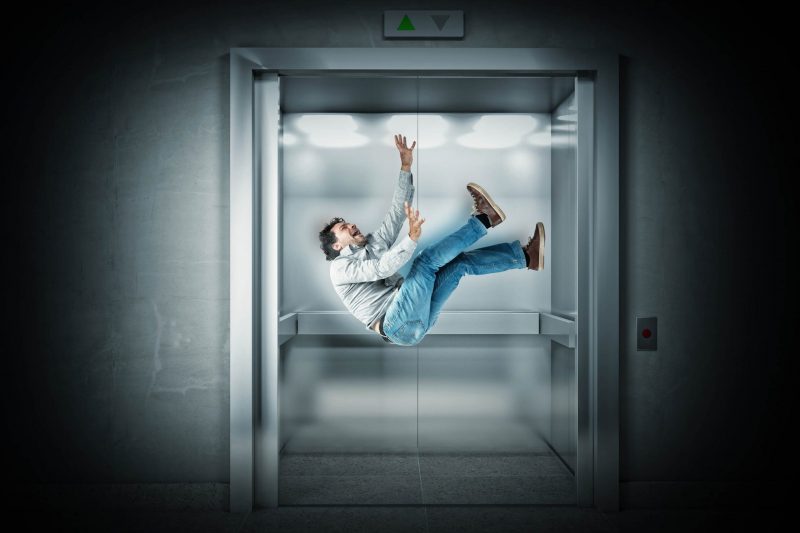
Elevator accidents can result in significant physical, emotional, and financial losses for victims. The law recognizes these losses and provides a framework for victims to seek compensation for their injuries. In elevator injury cases, various types of damages may be recoverable, depending on the specific circumstances and severity of the injuries sustained.
Medical Expenses
Medical expenses are a significant component of damages in elevator injury cases. Victims may be entitled to compensation for expenses related to their injuries, including hospitalization, surgery, medication, physical therapy, and other medical treatments. These expenses can be substantial, especially for serious injuries that require long-term or specialized care.
Lost Wages
Elevator accidents can also lead to lost wages and earning capacity. Victims who are unable to work due to their injuries may be entitled to compensation for the income they have lost. This can include wages, bonuses, commissions, and other forms of compensation that the victim would have earned had they not been injured.
Pain and Suffering
Pain and suffering damages compensate victims for the physical and emotional pain and suffering they have endured as a result of their injuries. These damages are subjective and vary depending on the severity of the injuries and the impact they have had on the victim’s life.
Other Damages
In addition to the above, other types of damages that may be recoverable in elevator injury cases include:
- Property damage
- Loss of enjoyment of life
- Emotional distress
- Punitive damages (in cases of gross negligence or willful misconduct)
It is important to note that the specific damages recoverable in each case will vary depending on the facts and circumstances. An experienced elevator injury lawyer can help victims assess their damages and pursue the maximum compensation they are entitled to.
Case Studies of Notable Elevator Injury Cases
Notable elevator injury cases provide valuable insights into the legal principles and challenges involved in these cases. They illustrate the complexities of liability, the severity of injuries, and the challenges faced by victims in seeking compensation.
Landmark Elevator Injury Cases
One of the most significant elevator injury cases is Gault v. Transcontinental Gas Pipe Line Corp., which occurred in 1966. In this case, a woman was injured when an elevator malfunctioned and plunged several stories. The court held the elevator company liable for the injuries, establishing the principle of strict liability in elevator accident cases.
Another notable case is Peterson v. Otis Elevator Co., which occurred in 1996. In this case, a man was injured when an elevator door closed on his hand. The court held the elevator company liable for negligence, finding that it failed to properly maintain the elevator and ensure its safe operation.
These cases highlight the legal complexities and challenges involved in elevator injury cases. They demonstrate the importance of strict liability and negligence in determining liability, as well as the need for proper maintenance and safety measures to prevent such accidents.
Preventing Elevator Accidents
Elevator accidents can be prevented by implementing comprehensive safety measures and adhering to proper maintenance guidelines. Here are some essential recommendations to enhance elevator safety:
Regular Inspections and Maintenance
Regular inspections and maintenance are crucial for detecting and addressing potential hazards. Qualified technicians should conduct thorough inspections at scheduled intervals to identify any issues, such as worn components, faulty wiring, or misaligned doors. Prompt repairs and replacements are essential to ensure the safe operation of elevators.
Emergency Call Buttons
Emergency call buttons inside elevators provide a vital lifeline in case of entrapment or other emergencies. These buttons should be easily accessible, clearly labeled, and connected to a 24/7 monitoring system. Regular testing of these buttons is essential to ensure they are functioning properly.
Proper Lighting
Adequate lighting inside elevators and in the surrounding areas improves visibility and reduces the risk of accidents. Good lighting helps passengers see clearly, identify potential hazards, and avoid tripping or falling.
Passenger Education
Educating passengers about elevator safety is essential. Clear signage and instructions should be posted inside elevators, reminding passengers to remain calm in case of an emergency, avoid overloading, and refrain from leaning on doors or attempting to force them open.
Training for Building Staff
Building staff should receive comprehensive training on elevator safety protocols. This training should cover emergency procedures, evacuation techniques, and how to respond to passenger entrapment or other incidents.
Modernization and Upgrades, Elevator injury lawyer
Modernizing elevators with the latest safety features and technology can significantly reduce the risk of accidents. Upgrades such as automatic door sensors, anti-rollback devices, and improved braking systems enhance elevator safety and reliability.
Last Point: Elevator Injury Lawyer
As we conclude our exploration of elevator injury law, remember that seeking legal representation is crucial. An experienced elevator injury lawyer will fight tirelessly to protect your rights, ensuring you receive the maximum compensation for your injuries. Remember, you are not alone in this journey; our guide provides the essential tools to empower you every step of the way.
General Inquiries
What are the common types of elevator injuries?
Elevator accidents can result in a wide range of injuries, including fractures, sprains, head injuries, and spinal cord damage.
Who is liable for elevator accidents?
Liability for elevator accidents can fall on various parties, such as the building owner, maintenance company, or elevator manufacturer.
What is the statute of limitations for filing an elevator injury claim?
The statute of limitations varies by state, but it’s generally between one and two years from the date of the accident.